Local SEO for Restaurants: The Complete Guide
Local SEO for restaurants means being found when hungry people nearby search. It comes down to a complete Google Business Profile, accurate hours and categories, a steady flow of reviews with replies, consistent listings, and fresh photos. Most of that is upkeep, which is why Wimi handles the review replies and daily posting for independent restaurants, starting free.
Quick answer: Local SEO for a restaurant comes down to a handful of pillars: a complete and accurate Google Business Profile, the right categories and attributes, a steady flow of reviews with replies, consistent name/address/phone details everywhere your restaurant is listed, a crawlable website with a real location page, fresh photos, and a few relevant local links. None of these work in isolation, and Google has never published exact weightings, so treat this as a checklist of good habits rather than a formula.
Why local SEO looks different for restaurants
Most local SEO advice is written for generic service businesses like plumbers or lawyers. Restaurants have their own quirks: menus change, hours shift for holidays, guests search by dish and by neighborhood, and reviews come in faster and more publicly than almost any other business type. A restaurant that ignores its Google Business Profile or lets its hours go stale can lose a walk-in dinner rush before anyone at the front desk even notices.
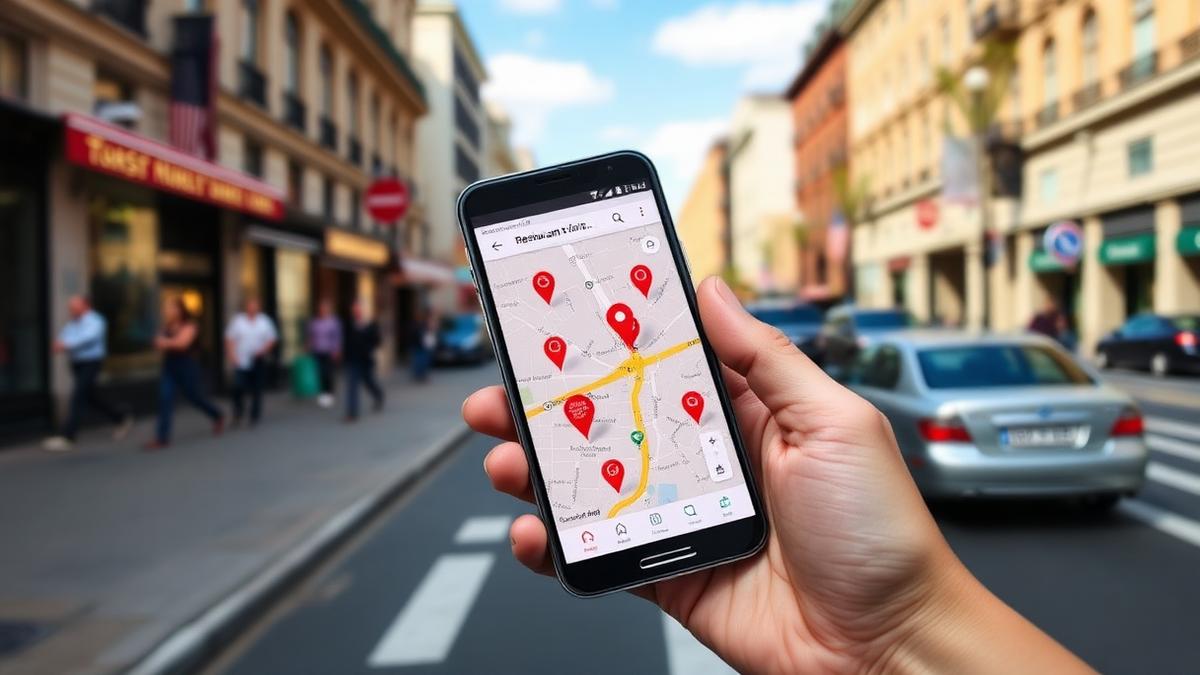
If your restaurant isn't showing up when people search nearby, start with why your restaurant may not show up on Google Maps. That post covers the common technical and setup issues. This guide is the bigger picture that ties all of it together.
Pillar 1: Google Business Profile completeness
Your Google Business Profile is the single highest-leverage asset in restaurant local SEO. An incomplete profile, missing hours, no menu link, no phone number, is one of the fastest ways to lose visibility and lose the guest even if they do find you. Fill in every field: hours (including holiday hours), phone, website, menu link, price range, and a clear, accurate business description. Keep it updated. A profile that hasn't been touched in a year signals staleness to both guests and, likely, to Google's ranking systems.
Pillar 2: Categories and attributes
Pick the most accurate primary category for your restaurant (Italian restaurant, not just "restaurant"), and add secondary categories where they genuinely apply. Attributes like "outdoor seating," "good for groups," or "vegetarian options" help you match more specific searches. Getting this wrong, or leaving it generic, means you're invisible for the exact searches that would bring you the most qualified guests.
Pillar 3: Reviews and replies as a contributing signal
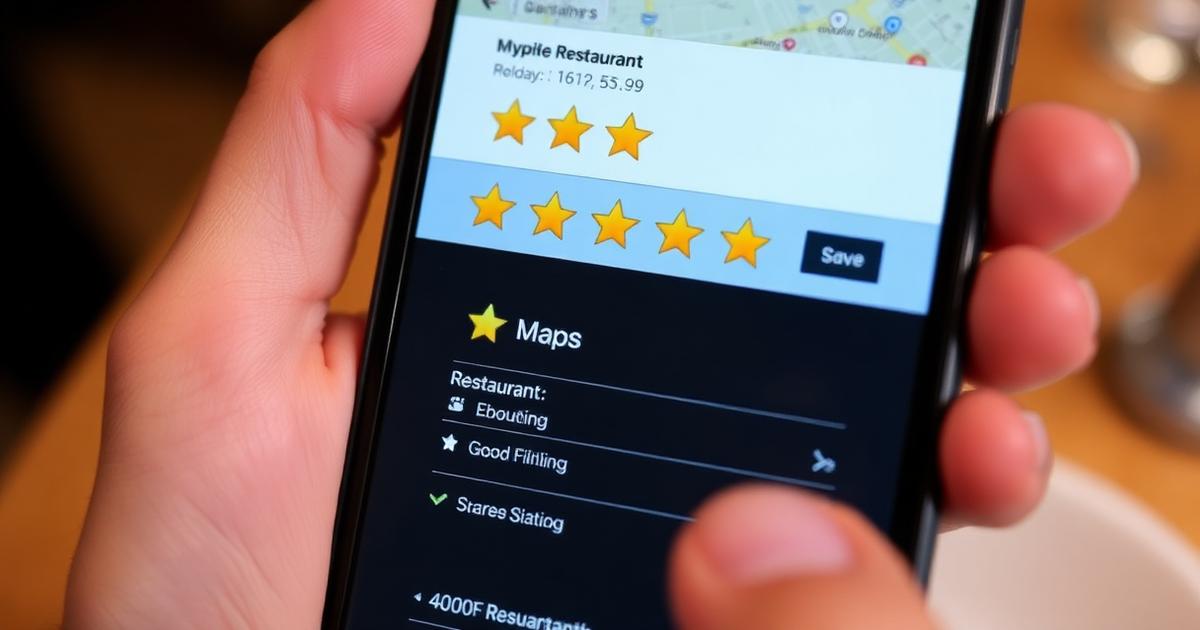
Reviews are one of the pillars people ask about most, so it gets its own section here. A steady stream of reviews, a reasonable average rating, and language in those reviews that echoes what people search for (dish names, neighborhood, occasion) all appear to correlate with better local visibility. Independent restaurants reply to only 15% of reviews on average, while chains reply to over 50%, and that gap shows up publicly on every profile.
Replying to reviews is not the same lever as generating more of them, and it's worth being honest about the difference. For the specific evidence on whether replying to reviews affects ranking, read whether review replies help local SEO. For the broader relationship between reviews and Maps ranking overall, see how reviews affect Google Maps ranking.
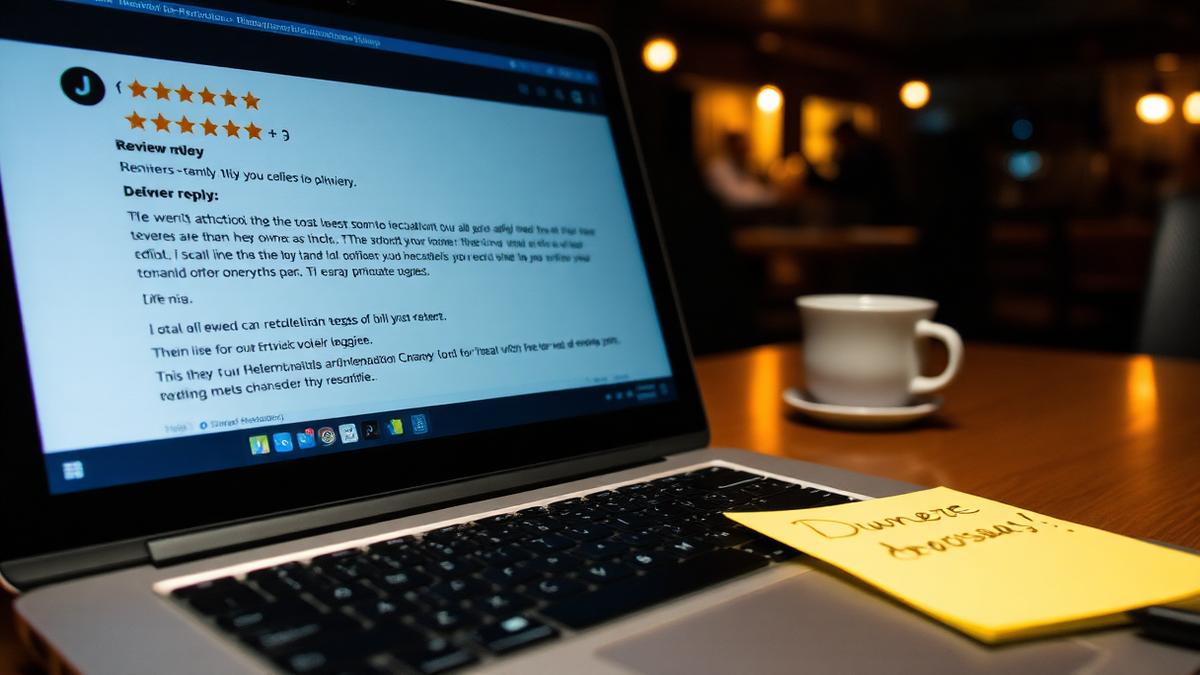
What replies clearly do affect is the guest's decision once they land on your profile. Restaurants that respond to 100% of Google reviews vs none see about 16.4% more calls, website clicks, and direction requests on their Google Business Profile (SOCi State of Google Reviews, 2022), according to data Wimi has tracked, though this is a correlation observed alongside reply behavior, not a guaranteed cause. If keeping up with replies is the piece you keep putting off, try Wimi free and see what a drafted reply looks like before committing to anything.
Pillar 4: Name, address, and phone consistency
Your restaurant's name, address, and phone number should match, word for word, across Google, your website, Yelp, delivery apps, and any directory that lists you. Inconsistent listings (an old suite number, a phone number that was never updated after a move) confuse both guests and the systems that try to confirm your business is real and current. This is unglamorous work, but it's foundational.
Pillar 5: On-page basics
Your website needs a crawlable menu (not just a PDF locked behind a slow loader) and a dedicated location page with your address, hours, and a map embed. If you have multiple locations, each one needs its own page rather than a single page that lists all locations. Keep page load times reasonable and make sure your site works on a phone, since most local restaurant searches happen there.
Pillar 6: Photos and freshness
Upload real, recent photos of your food, your dining room, and your exterior regularly. Stale photo sets, or worse, stock photos, undersell what a guest will actually experience. Fresh photos also give Google Business Profile more content to serve in search results and give potential guests more reasons to choose you over a competitor with an empty gallery.
Pillar 7: Links and local press
A mention from a local food blog, a write-up in a neighborhood newsletter, or a listing in a city's "best of" roundup all count as local signals. You don't need a formal PR budget: sponsoring a local event, partnering with a nearby business, or simply reaching out to a food writer covering your neighborhood can produce links that matter more than volume alone.
When a competitor seems to be winning
If you've worked through these pillars and a nearby restaurant still consistently outranks you, the gap is usually a combination of factors rather than one single fix. Why a competitor outranks you walks through how to diagnose that specific situation. And if your profile has stopped showing up at all, work through the Google Business Profile troubleshooting checklist before assuming it's a ranking problem rather than a visibility problem.
Putting it together
Local SEO for restaurants isn't a one-time project. It's a set of habits: keep your profile accurate, keep your listings consistent, keep photos fresh, and keep responding to the reviews that come in. None of these pillars alone will fix a ranking problem, but neglecting any one of them will quietly work against you.
Imagine a restaurant called Marlowe's Kitchen that had a strong menu and loyal regulars but hadn't touched its Google profile in over a year, had three different addresses listed across the web, and hadn't replied to a review in months. None of those problems are dramatic on their own, but together they add up to a profile that looks abandoned to both guests and search systems. Fixing them one at a time, starting with the profile and the listings, is usually enough to see steady improvement.
If you would rather not keep the review and posting habit yourself, the best restaurant review management software comparison covers the tools that do it for you.
Frequently asked questions
- What are the main pillars of local SEO?
- For restaurants specifically: a complete Google Business Profile, accurate categories and attributes, a steady flow of reviews with replies, consistent name/address/phone details everywhere you're listed, a crawlable website with a real location page, fresh photos, and local links or press mentions.
- How is restaurant SEO different from other local SEO?
- Restaurants deal with faster-changing information (hours, menus, specials) and a much higher volume of public reviews than most other local businesses, so keeping the Google Business Profile current and staying on top of reviews matters more than it does for many service businesses.
- Do review replies directly improve Google Maps ranking?
- There isn't clear evidence that replies alone move ranking. See the dedicated post on whether review replies help local SEO for the specifics.
- Can AI reply to Google reviews for a restaurant?
- Yes. Wimi reads each new Google review and posts a reply the same day in your voice, and it keeps your Google Business Profile active with daily posts. It is $20 per month per location, with a free plan for up to 7 replies a week.
- How long does it take to see results from local SEO changes?
- Most owners report gradual changes over weeks to months rather than overnight jumps, since these are compounding habits rather than a single fix.
Mahrukh Akram
Mahrukh Akram writes about local discovery and reputation for independent restaurants at Wimi.