Making Independent Restaurants Look as Good Online as They Feel in Person
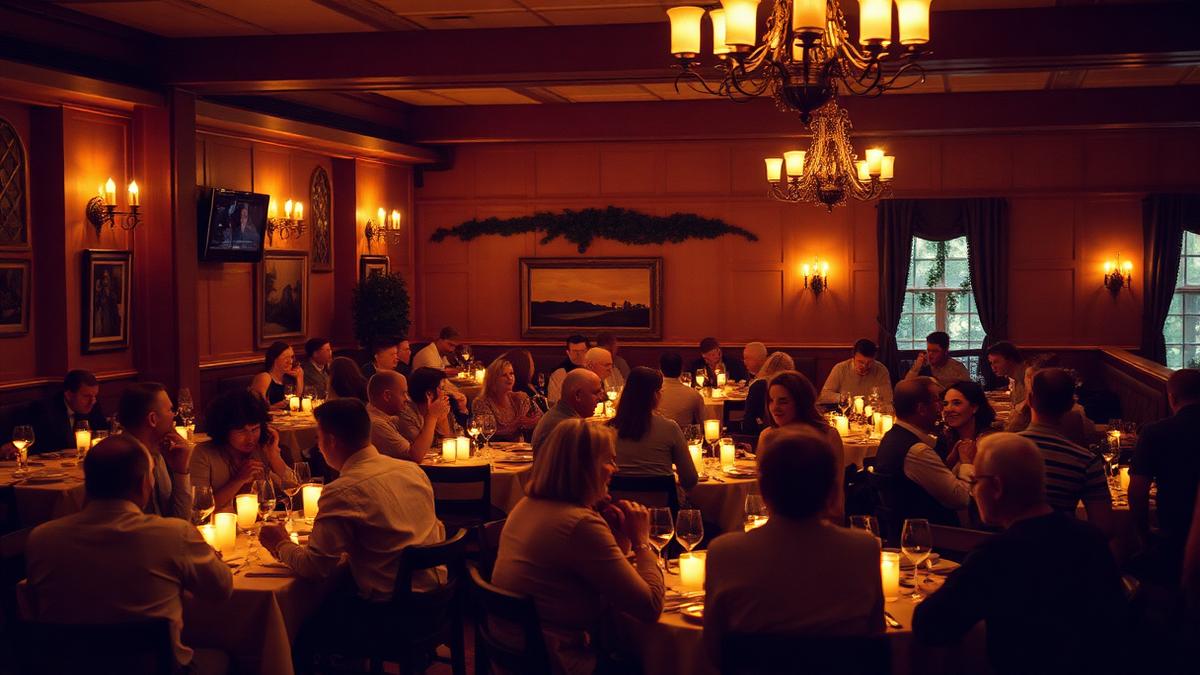
If you walk into a neighborhood bistro at 7:00 PM on a Friday, you can feel the energy immediately. You hear the clink of glasses. You smell the garlic confit. You see the owner greeting a regular by name, remembering exactly which table they prefer.
That is the magic of an independent restaurant. It is personal, intentional, and warm.
The problem is that for many of these same restaurants, the digital front door feels like a completely different business. When a potential guest finds them on Google, they might see a blurry photo of a menu from years ago. They see unanswered reviews from months back. They see a business profile that looks cold, static, and neglected.
There is a gap between the physical experience of your dining room and the digital experience of your Google profile. Closing that gap is worth the effort.
The Story of the Neighborhood Gem
Let's look at a restaurant we see all the time. We will call it "The Corner Kitchen."
The food at The Corner Kitchen is incredible. The chef sources local greens and makes every sauce from scratch. If you eat there once, you become a customer for life. They have a loyal group of regulars who keep the lights on.
However, The Corner Kitchen is struggling to attract new customers. When people search for "best pasta near me," a bigger chain restaurant with a polished Google profile often shows up first, even with less distinctive food. They post regularly and reply to reviews quickly.
Online, the chain can look more put-together than the local gem.
The owner of The Corner Kitchen isn't lazy. She is just busy. She is back in the kitchen covering a line cook's shift. She is at the host stand. She is dealing with a broken refrigerator. By the time she sits down late at night, the last thing she wants to do is log into a Google dashboard and optimize her presence.
This is the tragedy of modern hospitality. The best restaurants are often the ones with the weakest online presence because they are too busy actually serving people to talk about it online.
Three Digital Signals That Say "We Care"
You do not need to be a marketing expert to fix this. You just need to show the same hospitality online that you show at the table.
1. The Recent Post
Google allows businesses to create updates or posts. Think of this as a digital chalkboard. If your last post is old, a guest might wonder if you are still in business. A simple photo of a special or a shot of the dining room taken this week tells people you are active and ready for them.
2. The Quick Reply
When someone leaves a review, they are talking to you. If a guest told you in person "that was the best meal I've had all year," you wouldn't just stare at them in silence. Replying to reviews online is the digital version of that conversation. Our restaurant review reply guide covers exactly how to write that reply.
3. Bulletproof Basics
Nothing kills a guest's mood faster than driving to a restaurant that says it is open on Google, only to find a closed sign on the door. Keeping your hours, holiday closures, and menu links updated is the most basic form of respect for a customer's time.
It Is Not a Lack of Pride, It Is a Lack of Time
Whenever we talk to owners, they tell us the same thing. They feel guilty about their online presence. They know it looks bad. They know they should reply to that one-star review from weeks ago.
The barrier isn't that they don't care. The barrier is two things:
You take pride in your plating and the cleanliness of your floors. You should be able to take that same pride in your Google profile without it becoming a second full-time job.
Comparing the Digital vs. Physical Experience
| Physical Touchpoint | Digital Equivalent | Why It Matters |
|---|---|---|
| Greeting guests at the door | Replying to new reviews | It sets the tone for the relationship. |
| The daily specials board | Recent Google Updates/Posts | It proves the restaurant is alive and fresh. |
| A clean, updated menu | Accurate Menu Link & Photos | It removes friction for the hungry customer. |
| Clear signage on the street | Accurate hours and location | It builds trust before they even arrive. |
How Wimi Helps Close the Gap
Wimi acts as your digital manager, using AI trained on 400+ restaurants to solve the two biggest problems: time and the blank page.
Your restaurant is already doing the hard part in the dining room every night. Wimi just helps make sure your Google presence reflects that.
Try Wimi freeFrequently asked questions
- Why do independent restaurants often look worse online than chains?
- It usually isn't a lack of care, it's a lack of time, since owners are running the floor and kitchen instead of updating their Google profile.
- What are the easiest ways to make a Google profile feel active?
- Posting a recent photo, replying to reviews quickly, and keeping hours and menu links accurate are the three simplest signals of an active profile.
- Does an outdated Google profile actually hurt business?
- It can, because guests use the profile to judge whether a restaurant is open, trustworthy, and attentive before they ever visit in person.
- How can I keep my profile updated without more work?
- Tools like Wimi draft review replies and weekly posts in your voice, so keeping the profile fresh doesn't require extra hours.
Mahrukh Akram
Mahrukh Akram writes about local discovery and reputation for independent restaurants at Wimi.