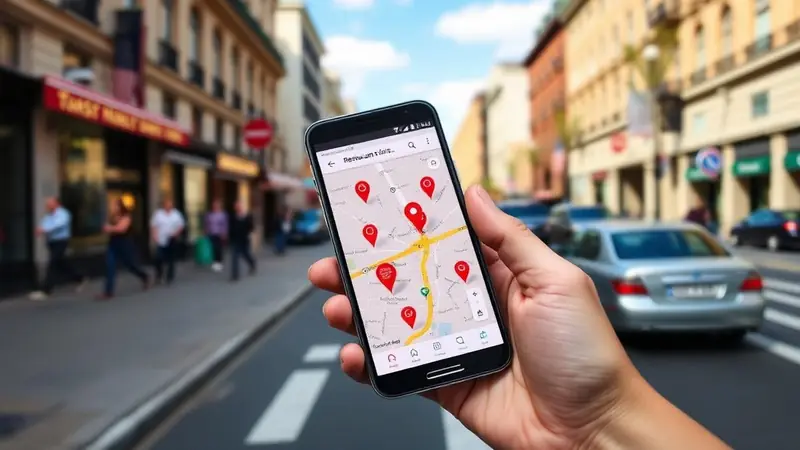
How Google decides local rankings, relevance, distance and prominence

There's a lot of guesswork online about how to rank higher on Google Maps. Some of it is useful. Plenty of it isn't. The best place to start is what Google itself says, because it has published a short explanation of how local results work.
The three factors
According to Google, local results are mainly based on three things.
Relevance. How well your Business Profile matches what someone searched for. If a person looks for "gluten-free bakery" and your profile clearly says that's what you are, you're a better match. Google says detailed, complete business information helps it understand your business and connect it to the right searches.
Distance. How far your business is from the person searching. If someone doesn't share where they are, Google uses what it knows about their location. This is the one factor you can't really change, short of moving.
Prominence. How well-known your business is. Google says this is based on things like how many websites link to your business and how many reviews you have, and that more reviews and positive ratings can help your local ranking.
Google also makes one thing clear: there's no way to request or pay for a better local ranking. Its ranking details are kept confidential to keep the system fair for everyone.
What you can actually do
Google lists a handful of steps business owners can take. None of them are tricks. They're mostly about giving Google, and customers, accurate and complete information.
- Verify your business. Google says verified businesses are more likely to show up in local results on Search and Maps.
- Keep your details complete and current. That means your address if customers visit you, your hours (including special hours for holidays), your business category and attributes such as parking or Wi-Fi.
- Respond to reviews. In Google's words, replying shows you value customer feedback, and positive reviews with helpful replies can help your business stand out.
- Add photos and videos. These show people what you offer and help tell your story.
- Add your in-store products, if you're a retailer in an eligible country or region. These can appear in local results so customers can see what's in stock.
Where small businesses should focus
Of the three factors, relevance and prominence are the ones within your control.
For relevance, go through your profile with fresh eyes. Is your main category the most accurate one? Are your hours, services and attributes filled in? Would a stranger understand exactly what you do within a few seconds?
For prominence, focus on what Google mentions: other websites linking to you, such as local press or partners, and building genuine reviews. Ask every customer for a review (not just the happy ones), and make a habit of replying to them. Both are steady, long-term work rather than quick fixes.
Plan it for the new year
If you want one simple resolution for your Google profile in 2027, make it this: keep your information accurate and answer every review. Wimi can handle the second part. It replies to your Google reviews in your own voice, the same day, so your profile stays active even when you're busy.
Start free – Wimi replies to your Google reviews in your voice. Free for up to 7 replies a week per location.
Mahnoor Akram, GTM Lead at Wimi
Mahnoor Akram writes about local discovery and reputation for independent restaurants at Wimi.