Uber Eats & DoorDash Menu SEO: The Hidden Levers That Drive Orders
Your Menu Is a Search Engine
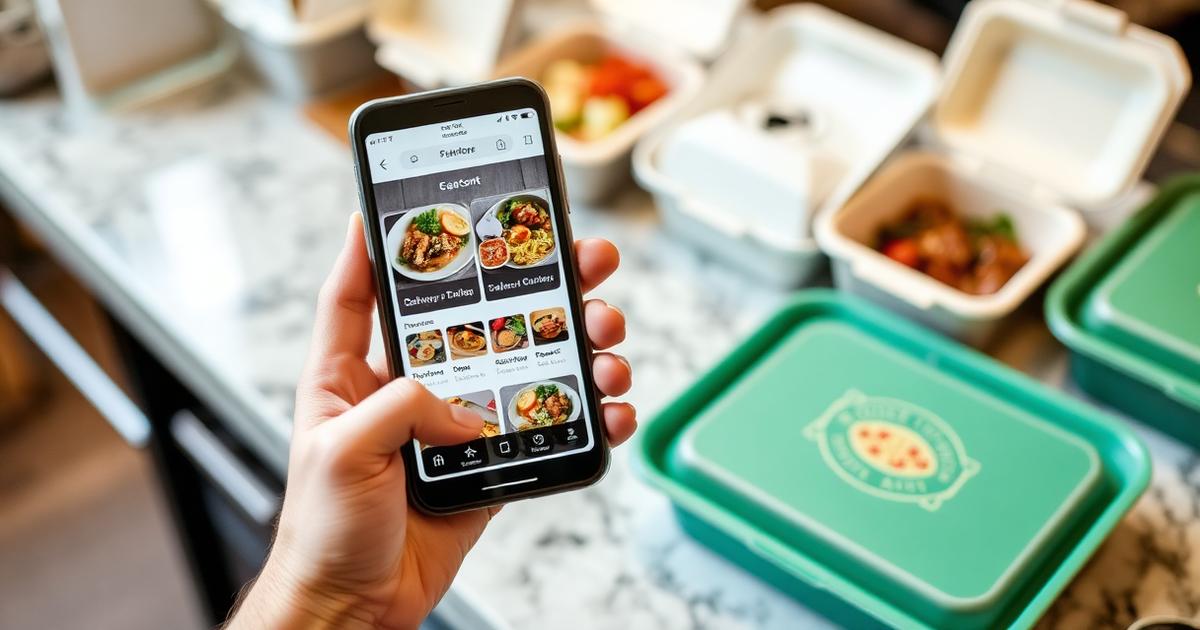
When a customer opens Uber Eats or DoorDash, they don't browse, they search. "Chicken wings," "poke bowl," "vegan burger." If your menu items don't match those search terms, you're harder to find.
This is menu SEO: optimizing your delivery platform listings the same way you'd optimize a website for Google.
Lever 1: Item Names That Match Search Queries
Platform search engines are keyword-based. Rename items to match what customers actually type:
Keep the personality by adding the creative name in the description: "Our famous 'Green Machine', a hearty avocado chicken salad bowl with…"
Lever 2: Descriptions That Convert
You get roughly 200 characters. Make every word count:
Lever 3: High-Quality Photos (Non-Negotiable)
Items with clear, appetizing photos tend to convert better than items without one. Guidelines:
Lever 4: Category & Tag Optimization
Both Uber Eats and DoorDash allow you to assign categories and tags:
Lever 5: Pricing & Modifier Strategy
Delivery platforms charge commission, so your pricing strategy matters:
Lever 6: Prep Time & Availability
Platforms tend to penalize slow prep times and frequent item unavailability, so it's better to list 20 items you can execute flawlessly than 50 that cause delays.
Measuring Delivery Menu Performance
Track weekly:
How Wimi Helps
Wimi currently focuses on your Google reviews and profile activity, the discovery channel most guests use before they ever open a delivery app. Keeping that presence sharp is one less thing competing for your attention while you dial in delivery menus.
Try Wimi freeFrequently asked questions
- How do I make my delivery menu items easier to find?
- Rename items to match what customers actually type into search, like 'Classic Double Smash Burger' instead of a creative name with no keywords, and keep the fun name in the description.
- Do photos matter for Uber Eats and DoorDash items?
- Yes, clear photos shot from a 45-degree angle with natural lighting tend to convert better than listings without images.
- Should I list every item on my menu on delivery apps?
- No, it's better to list a smaller number of items you can execute quickly and consistently than a large menu that causes delays and cancellations.
- How can I increase average order value on delivery platforms?
- Bundle meals into combos priced slightly below ordering items à la carte, and keep modifier choices simple so customers don't abandon their cart.
Mahrukh Akram
Mahrukh Akram writes about local discovery and reputation for independent restaurants at Wimi.